Cane Corso
An athletic, imposing Italian mastiff, the Cane Corso is a calm guardian deeply attached to its family, and it needs experienced handling.
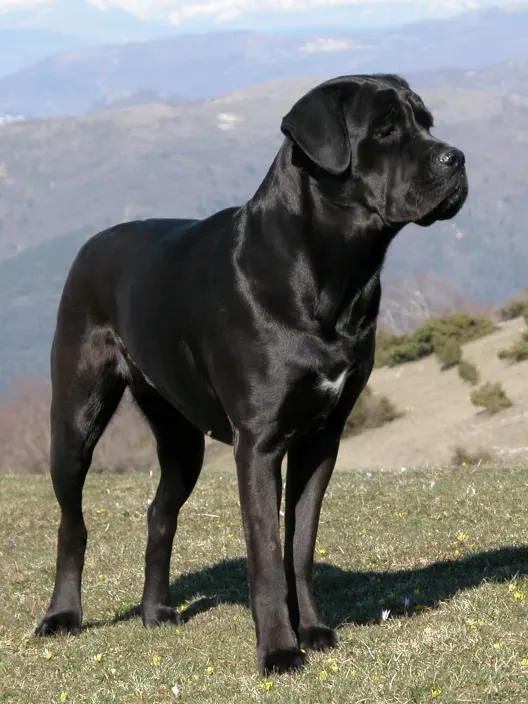
History and origins
The Cane Corso descends from mastiff-type dogs used in southern Italy to guard farms, drive cattle and hunt big game. After becoming rare in the 20th century, it was revived by Italian enthusiasts from the 1970s.
It is recognised by the Fédération Cynologique Internationale and is now very popular as a guard dog.
Temperament
Calm, self-assured and highly protective, the Cane Corso watches a lot before acting. It is affectionate with its family and usually reserved, even suspicious, with strangers.
Its power calls for intensive socialisation from puppyhood and firm, consistent, kind training. It is not recommended for first-time owners.
Some regions restrict ownership of this breed; check your local regulations.
Health
Like many large mastiffs, it can be affected by hip and elbow dysplasia, eyelid problems and bloat. Choose a breeder who health-screens their breeding dogs.
Regular veterinary check-ups and a controlled weight protect its joints.
This is general information. For any question about your dog's health, consult a veterinarian.
Feeding
Puppies need large-breed food for slow, steady growth. In adulthood the ration depends on activity; excess weight quickly strains its joints.
Feed two meals a day and avoid intense exercise straight afterwards.
Exercise
It needs one or two long daily walks and stimulating activities such as obedience or tracking. It enjoys having a role within its family.
Limit jumping and strenuous exercise while it is growing.
Its bulk and often dark coat make it sensitive to heat: shade, fresh water and walks during the cool hours are essential in summer. A house with a securely fenced garden suits it far better than an apartment.
Grooming
Its short, dense coat takes a few minutes of brushing a week. Keep an eye on its eyes, ears and nails.
An occasional bath is enough.