Aidi (Atlas Mountain Dog)
A guardian from Morocco's Atlas Mountains, the Aidi is a watchful, sturdy and tireless protector, perfectly suited to the country's varied climate.
History and origins
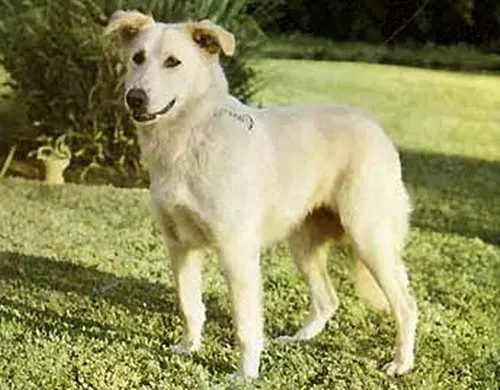
The Aidi is an ancient Moroccan breed, long associated with Amazigh communities and nomadic shepherds of the Atlas. Its main job was to guard camps, flocks and tents against predators and intruders, often working alongside the Sloughi, which hunted by sight.
The breed is recognised by the Fédération Cynologique Internationale as the Atlas Mountain Dog, and it is still valued as a working dog in rural Morocco today.
Temperament
Alert, brave and highly responsive, the Aidi has a strong guarding instinct: it watches over its territory and signals anything that seems unusual. It is devoted to its family but wary of strangers.
Being independent, it needs firm, consistent and kind training, together with early socialisation with people, children and other animals.
Health
The Aidi is considered a hardy breed, selected for resilience rather than looks. As with all large breeds, it is worth keeping an eye on joints and body weight.
Regular veterinary check-ups, up-to-date vaccinations and parasite prevention (ticks, fleas and sandflies) are essential.
This is general information. For any question about your dog's health, consult a veterinarian.
Feeding
A complete, good-quality diet matched to its age, weight and activity level suits it well. A very active working dog will need more energy than a quieter family dog.
Splitting food into two meals and avoiding intense exercise right after eating is a good habit for large dogs.
Exercise
This is an energetic dog that needs long daily walks and room to burn off energy. It enjoys activities that engage its mind, such as hiking, tracking games or obedience work.
A bored Aidi may become noisy or destructive.
Still, always provide shade and fresh water, and avoid hard exercise during the hottest hours of summer. Its guarding instinct and need for space make it a poor fit for a city apartment; a house with a securely fenced garden suits it far better. It is ideal for families living on the outskirts of town or in the countryside who are ready to invest in its training.
Grooming
Its thick coat, around 6 to 7 cm long, protects it from both cold and sun. Weekly brushing is usually enough, with extra sessions during shedding periods.
Check the ears and nails regularly, and look for ticks after walks in the countryside.