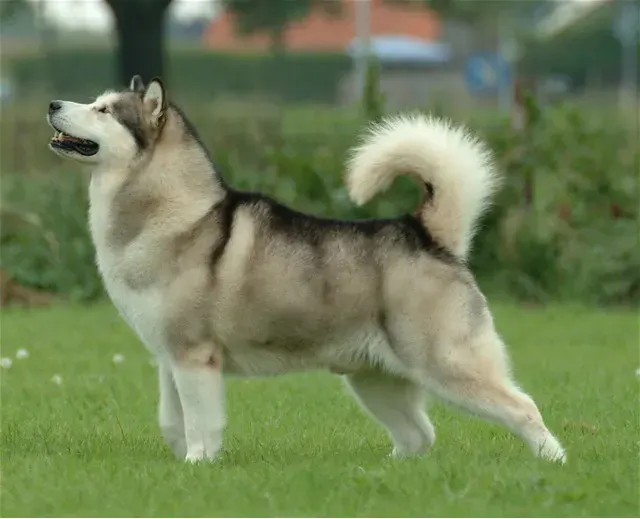
Siberian Husky
A sociable, hard-working sled dog, the Siberian Husky charms with its pale eyes and energy, but copes very poorly with heat.
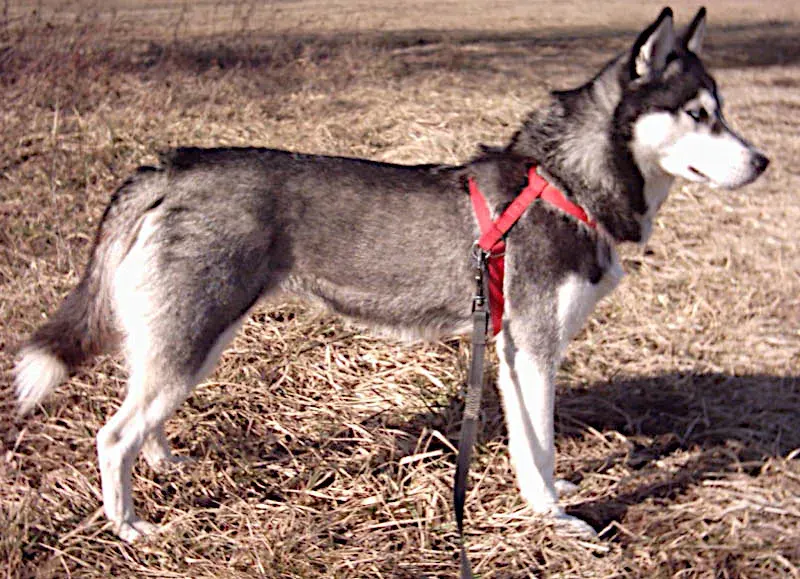
History and origins
The Siberian Husky was developed by the Chukchi people of north-eastern Siberia to pull light sleds over long distances on little food. In the early 20th century it was brought to Alaska for sled racing.
It became famous in 1925 during a sled-dog relay that carried diphtheria serum to the town of Nome, Alaska.
Temperament
Friendly, playful and very sociable, the Husky enjoys the company of both people and other dogs. It is no guard dog and often greets strangers with enthusiasm.
Independent and clever, it does not always obey the first time and has a strong prey drive. It loves to howl and may run off if bored.
Health
This is a fairly robust breed. Some inherited eye conditions (cataracts, progressive retinal atrophy) and hip dysplasia can occur, so ask the breeder about screening.
In hot countries the main risk is heatstroke, which requires urgent veterinary care.
This is general information. For any question about your dog's health, consult a veterinarian.
Feeding
Huskies were bred to work efficiently on little food, so they often eat less than you would expect for their size. Good-quality food matched to their activity is enough.
In hot weather their appetite may drop; make sure they drink enough.
Exercise
It needs a lot of daily exercise: long walks, running, canicross or harness work when it is cool. A Husky that cannot burn off energy may become destructive.
Its recall is rarely reliable, so keep it on a lead or in a very securely fenced area, as it digs and jumps easily.
Grooming
Its very dense double coat needs brushing several times a week, and daily during the spectacular moults.
Never shave it: the undercoat helps regulate its temperature and protects its skin from the sun.