Dutch Shepherd
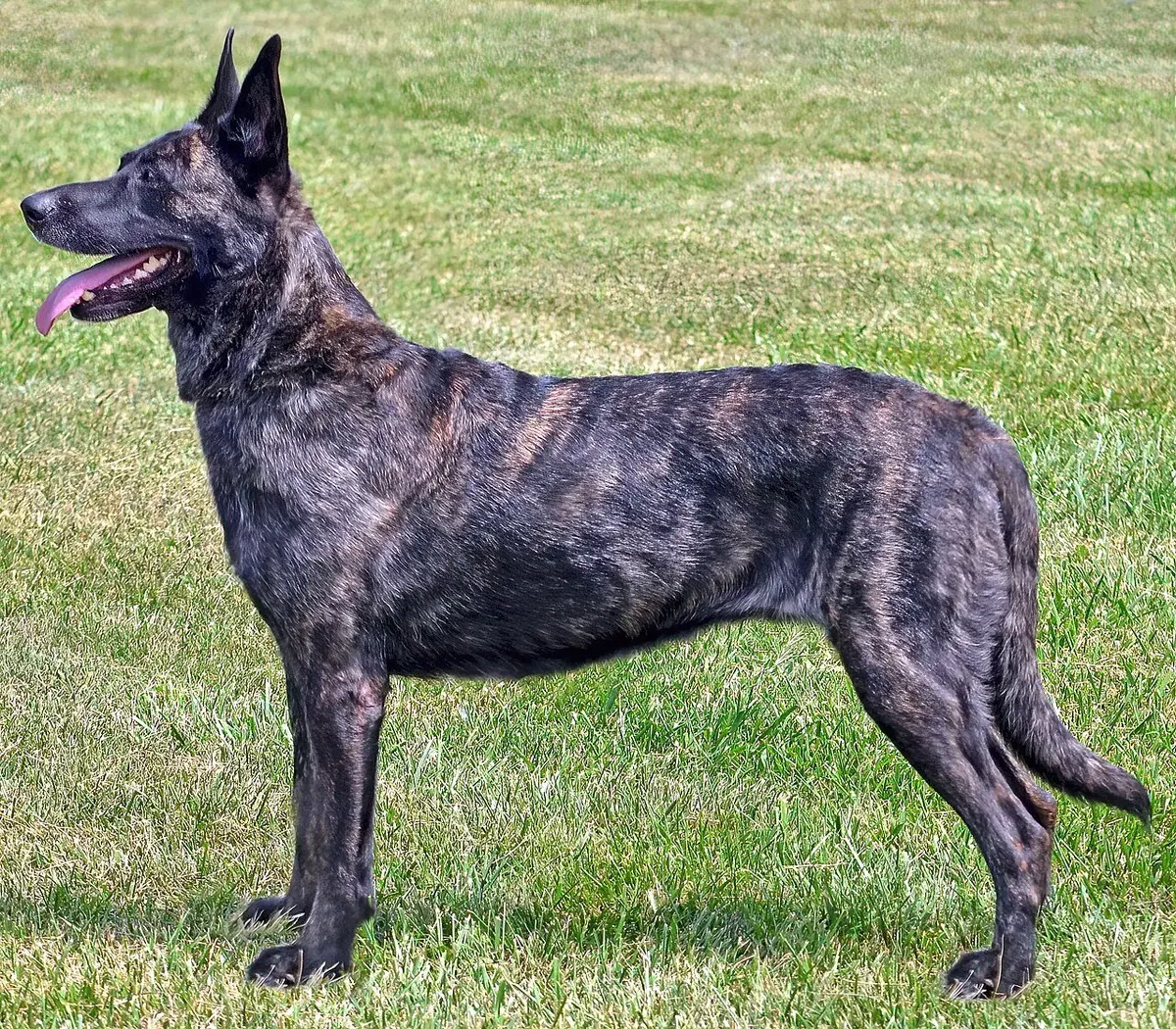
Recognisable by its brindle coat, the Dutch Shepherd is a versatile, hard-working dog with great stamina and a strong bond with its owner.
History and origins
The Dutch Shepherd is a farm dog from the Netherlands, used to herd sheep, watch over farms and accompany farmers. As farming modernised it became rare, before enthusiasts revived it.
It comes in three coat types (short, long and rough), always brindle, and is now used by police and in dog sports.
Temperament
Intelligent, loyal and eager, the Dutch Shepherd loves working with its owner. It is watchful and protective, but usually more independent and settled than the Malinois.
It needs consistent, positive training and a real job to do every day.
Health
This is a hardy breed with few inherited diseases. As in other shepherds, hip dysplasia can occur.
Regular veterinary follow-up and a responsible breeder remain important.
This is general information. For any question about your dog's health, consult a veterinarian.
Feeding
It needs good-quality food adjusted to its activity, which is often high in working dogs.
Avoid intense exercise just after meals and always leave water available.
Exercise
Very energetic, it needs at least two hours of daily activity, combining running, games and mental work (obedience, tracking, supervised protection sports, agility).
An under-occupied Dutch Shepherd quickly becomes difficult.
The short-haired variety copes fairly well with heat, but its energy can lead to heatstroke: in summer, schedule exercise early in the morning or in the evening and bring water. It is not made for apartments: a house with a garden and an active, available owner are essential.
Grooming
The short-haired variety needs weekly brushing; the long-haired one several brushings a week; the rough coat should be hand-stripped once or twice a year.
Check its paw pads and ears regularly.