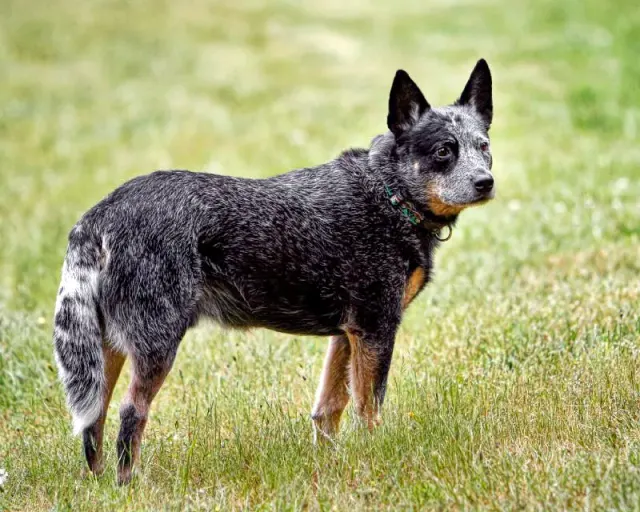
Australian Shepherd
Clever, playful and tireless, the Australian Shepherd is a herding dog, often with odd-coloured eyes, ideal for very active families.
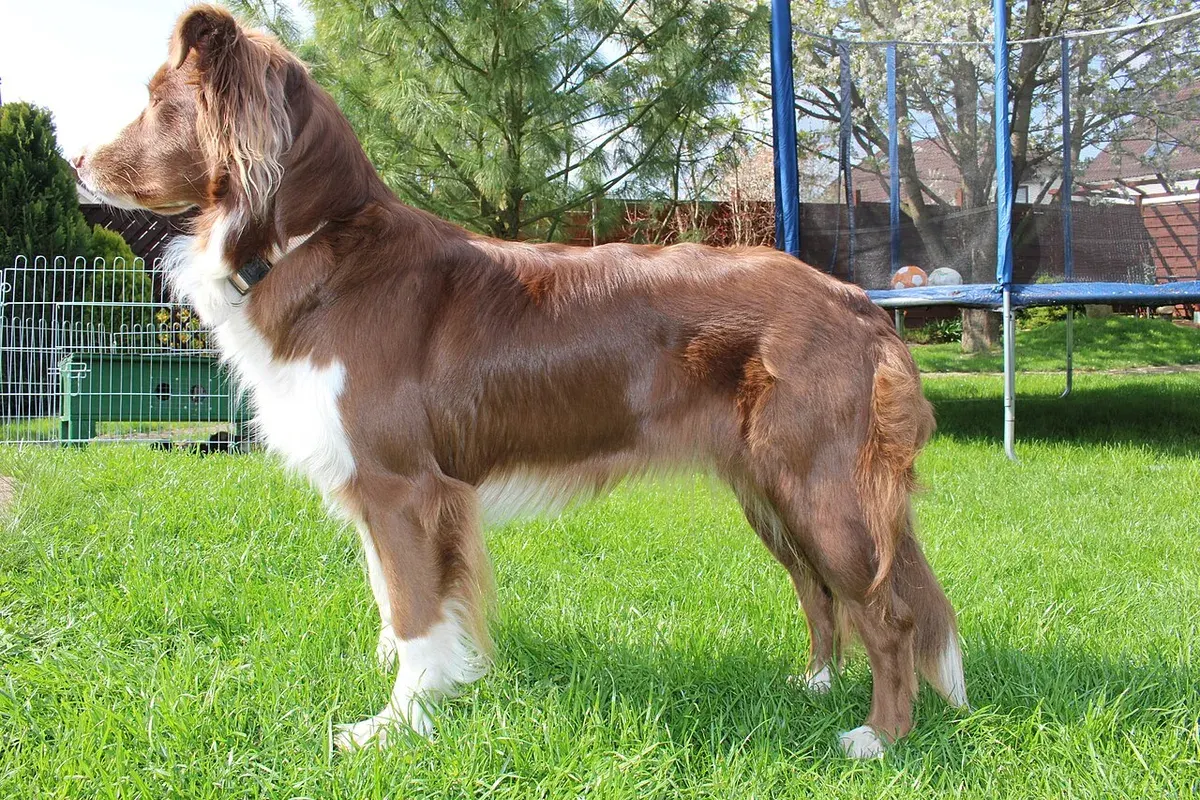
History and origins
Despite its name, the Australian Shepherd was developed in the United States, on western ranches, in the 19th and 20th centuries. Its ancestors are thought to be European herding dogs that arrived with flocks, sometimes via Australia.
Popularised by rodeos and horse shows, it has become one of the most loved family and sport dogs.
Temperament
Enthusiastic, affectionate and highly intelligent, the 'Aussie' loves to learn and work with its family. It can be reserved with strangers and keeps a herding instinct (it may nudge children or nip at heels).
It needs positive training and varied activities to stay balanced.
Health
The breed carries a genetic sensitivity to some drugs (the MDR1 mutation), inherited eye diseases and hip dysplasia. Breeding two merle dogs together can produce deaf or blind puppies.
Choose a breeder who tests their breeding dogs, and tell your veterinarian your dog's breed.
This is general information. For any question about your dog's health, consult a veterinarian.
Feeding
Very active, it needs good-quality food matched to its energy use. Less active dogs should get smaller portions to avoid weight gain.
Fresh water should always be available.
Exercise
It needs at least two hours of activity a day: running, ball games, agility, obedience, tricks or herding work. Mental exercise is essential.
A bored Aussie quickly becomes restless or destructive.
In summer, exercise it early in the morning or late in the evening and keep it cool for the rest of the day. Do not shave it. It thrives in a house with a garden and with sporty owners; in an apartment, it only suits people able to devote several hours to it every day.
Grooming
Its medium-length coat with undercoat needs brushing twice a week, more often during the moult.
Check regularly for tangles behind the ears and on the hind legs.