
Labrador Retriever
Sociable, cheerful and easy to train, the Labrador is the quintessential family dog; it needs exercise and a carefully watched diet.
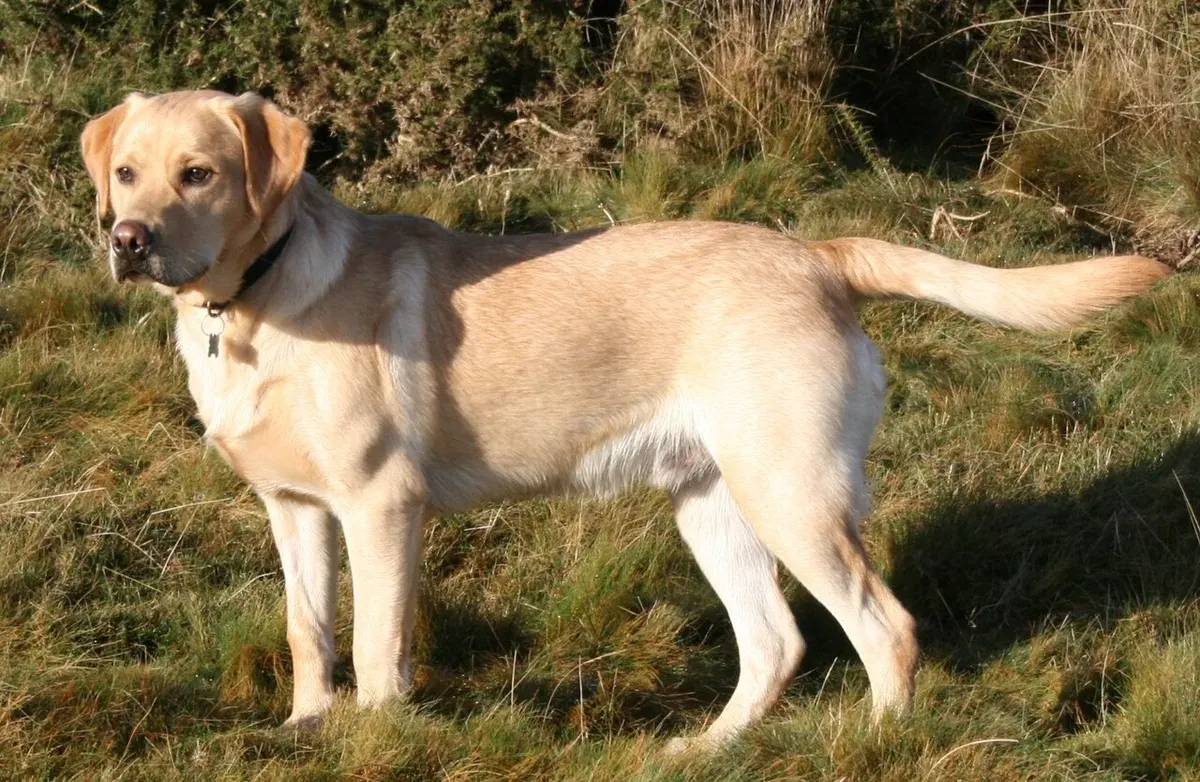
History and origins
The Labrador descends from water dogs of Newfoundland, Canada, which helped fishermen retrieve nets and fish. Imported to England in the 19th century, they were developed there as gundogs for retrieving game.
Today it is one of the most widespread dogs in the world, as a family dog, guide dog, assistance dog and detection dog.
Temperament
Friendly, enthusiastic and very attached to its family, the Labrador likes everyone. It is patient with children and usually gets on well with other animals.
Highly motivated by food and play, it learns quickly. When young, it can be very boisterous and chew a lot.
Health
Hip and elbow dysplasia, some eye diseases and obesity are the main concerns. Ear infections can occur in dogs that swim often.
Choose a breeder who screens their breeding dogs and have it checked regularly by a veterinarian.
This is general information. For any question about your dog's health, consult a veterinarian.
Feeding
Labradors are known for their appetite: many carry a genetic variant that increases hunger. Weigh portions, limit treats and monitor weight.
A lean Labrador lives longer and healthier.
Exercise
It needs at least an hour of activity a day: walks, retrieving, swimming and scent games. Activities that work its brain help it settle.
It loves water: the beach is an ideal playground outside the hot hours.
Walk it early in the morning and in the evening and always leave water and shade. A house with a garden suits it better than an apartment.
Grooming
Its short, dense coat with undercoat sheds heavily during moults. Weekly brushing, daily during the moult, is enough.
Dry its ears after swimming.